"The Calling©"
Lyrics by M. S. McKenzie (Unless Otherwise Noted) | Music Performed by Songs Across America or American Storyteller Music, All Songs Are Protected by Copyright

~ Associated Colorado State Links ~
I wrote "The Calling" as a love letter to the whole of the Colorado Rockies, not one peak or one postcard view but the entire sprawling range as a single living thing that calls to a person. Most mountain songs pick a spot and stand there. I wanted this one to travel, from the valleys of the Yampa up to Pikes Peak, through Leadville and Gunnison and Crested Butte, past the Maroon Bells and the Great Sand Dunes and out to Durango, because the Rockies are not a place you visit so much as a country you keep moving through, and no single vista does them justice. The song is built like a drive, and that was deliberate. You do not take in these mountains all at once. You earn them mile by mile.
The story behind the song is the ache underneath the scenery, and it lives in one repeated line. The Rockies are calling and my heart aches for change. This is not only a song about beautiful country. It is a song about a person who hears in that country an invitation to become someone freer than the life they are currently living. Every place name is real and every one of them is doing double duty, because the mountains are not just where he wants to go. They are what he wants to feel like. That is why the final chorus quietly changes the words, so that instead of aching for change he is watching his spirit soar and his troubles drift on by. The landscape did not just get admired. It did the thing it was called on to do. It changed him.
The turn I care most about is the last line of the whole song, where the Rockies stop being a destination and become the only home I know. That is the heart of it. Songs Across America is built on the belief that the American landscape is not scenery we pass through but something we belong to, something that can hold a person up and give them a sense of where they are from. By the end of this one, the mountains are not calling him toward something anymore. They are calling him back. I hope people who love that range hear their own version of it here, all the names they would have added, and I hope anyone who has ever felt a place calling them recognizes the ache. What I want them to take from it is that the calling is worth answering, and that some landscapes are large enough to be a home.
Sweeping Americana and mountain-folk anthem functioning as a musical travelogue, moving through the range like a long scenic drive. Warm acoustic foundation with wide, singable choruses built for open spaces, its arrangement expanding toward soaring, spirit-lifting crescendos that mirror the high country it names.
The grandeur and vastness of the Colorado Rockies, wanderlust and the longing for change, nature as spiritual calling and transformation, belonging and homecoming, and reverence for the American landscape as something we are part of.
Primary Subject:
The Colorado Rocky Mountains in full, traveled from the Yampa Valley and Pikes Peak through Leadville, the Maroon Bells, Rocky Mountain National Park, and the Sangre de Cristos out to the San Juans and Durango.
Mood:
Awe-struck, yearning, and uplifting. Expansive and reverent throughout, aching with longing beneath its wonder, and resolving into soaring, homecoming peace.
The Colorado Rockies are not a single view but a vast living presence that calls to something restless in us. The ache we feel before wild country is really a longing to become freer, and answering that call can turn a landscape from a place we visit into the home we most belong to.
"The Calling"
[Verse 1]
From the valleys of the Yampa and on up to Pike's Peak
The Colorado Rockies, are a sight that all should seek
Aspen leaves aglow in the cleansing light of the mornin’ sun
This land of rugged beauty, where my adventure has just begun
[Chorus:]
Oh, these Rocky Mountains so wide and high
Where columbines grow and eagles fly
From the Continental Divide to the San Juan Range
The Rockies are callin’ and my heart aches for change
[Verse 2:]
In the shadow of Mount Elbert stands the town of Leadville
Where miners once sought silver, with all their strength and will
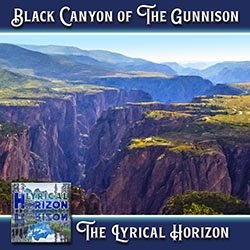
Onward to Gunnison, where the Black Canyon carves its way
Through dark layers of gneiss and schist, its tireless waters play
[Chorus:]
Oh, these Rocky Mountains so wide and high
Where columbines grow and eagles fly
From the Continental Divide to the San Juan Range
The Rockies are callin’ and my heart aches for change
[Verse 3:]
Through the windin’ roads of Lariat to wildflowers at Crested Beaute
The Maroon Bells rise near Aspen, lofty giants standing so resolute
Rocky Mountain National Park, where elk bugle their haunting song
And the high tundra shows off its colors, as the summer days grow long
[Chorus:]
Oh, these Rocky Mountains so wide and high
Where columbines grow and eagles fly
From the Continental Divide to the San Juan Range
The Rockies are callin’ and my heart aches for change
[Bridge:]
In the Sangre de Cristos, Great Sand Dunes standin’ tall
A testament to time itself, where wild winds have shaped it all
From ancient cliff dwellings to modern towers that scrape the sky
This land of beauty and inspiration which beckons our very souls to fly
[Verse 4:]
Up the windin’ Trail Ridge Road, to Alpine tundra's door
The Medicine Bow Mountains, and the mighty Flat Top Four
From Grand Junction to Durango, the San Juans rise high above
This magical land of plenty of which I can never get enough
[Final Chorus:]
Oh, these Rocky Mountains so wide and high
Where my spirit soars, and my troubles drift on by
From lofty granite peaks to the Colorado's endless flow
These mighty Rocky Mountains are the only home I know
"I Want a Love Just Like That" is a compassionate, character-driven story song about emotional awakening, marriage, courage, and the power of witnessing love expressed without shame. Set primarily inside Wall Drug during a cold South Dakota morning, the song follows a businessman from Boston whose chance encounter with two openly affectionate men forces him to confront the distance that has grown between himself and his wife. What begins as a quiet roadside observation becomes a deeply personal moment of reckoning and, ultimately, a decision to return home and try to rebuild what he nearly allowed to disappear.
The song's title initially seems to refer to the love shared by the two men in the diner. Their tenderness, honesty, and ease awaken something in the narrator that has been dormant for years. As the song develops, however, the phrase takes on a broader and more universal meaning. He does not want to copy their relationship or intrude upon it. He wants the same emotional qualities he sees within it: openness, courage, affection, trust, and freedom from pretense.
The story is especially effective because the narrator is not portrayed as someone searching for romance. He is already married. His crisis is not the absence of a partner but the slow erosion of emotional intimacy within a long-established relationship. The love he witnesses reminds him that companionship alone is not enough. A marriage can continue outwardly while affection, conversation, vulnerability, and mutual recognition quietly disappear.
The first verse opens with a small, cinematic collection of roadside details. Coffee steams in the cold morning air, snow fills the sky, and Wall Drug is beginning another day beside Interstate 90. The setting is familiar, practical, and slightly nostalgic, making it an ideal location for an unexpected emotional turning point.
Wall Drug represents more than a famous South Dakota roadside attraction. It is a place where travelers from different regions and circumstances briefly cross paths. People stop for food, warmth, souvenirs, directions, and rest before continuing toward separate destinations. Within the song, it becomes a temporary meeting place where one person's private life is unexpectedly changed by observing another's.
The protagonist is described as "just a suit from Boston," immediately defining how he appears to the world. He is associated with business, formality, routine, and perhaps emotional restraint. The word "suit" reduces him to his professional exterior, suggesting that his identity has become closely tied to work and outward responsibility.
He is traveling west for only a week, and he buys trinkets for his wife. This detail reveals that he has not forgotten her completely. He still performs the expected gestures of marriage, bringing home souvenirs and thinking of her while away. Yet these objects substitute for something deeper that has gone missing between them.
The line "but the silence runs deep" exposes the real condition of their relationship. The problem is not an explosive argument or one dramatic betrayal. It is accumulated emotional absence. They may still live together, share responsibilities, and exchange routine words, but the essential conversation between them has grown quiet.
His simple order of eggs and toast reinforces the ordinary nature of the morning. Nothing about the setting appears destined to change his life. He sits down expecting breakfast, not revelation.
His attention then drifts toward the nearby table. The phrasing should feel hesitant, reflecting his awareness that he is looking into a private moment. The encounter begins almost accidentally, but what he sees becomes impossible to dismiss.
The second verse introduces the two men through their joined hands. Comparing those hands to "roots in the rain" gives their connection a natural, grounded quality. Roots suggest stability, endurance, nourishment, and lives intertwined below the visible surface.
The rain image also implies that their love has survived difficult conditions. Roots deepen when exposed to storms, and the couple's tenderness may have endured prejudice, fear, family rejection, or social pressure. Their bond appears gentle, but it is not fragile.
They smile softly and lean toward one another "with no shame." This is the quality that most unsettles and inspires the narrator. Their affection is not loud or performative. It is simply unhidden.
The lyric "no shame, no pain" may be understood as describing the appearance of that particular moment rather than claiming their lives have been painless. The later confrontation with hostile diners makes clear that judgment still exists around them. What matters is that they refuse to allow anticipated judgment to erase their tenderness.
The way they look at one another makes time seem to stop. This image reveals the depth of their attention. In a busy public place filled with travelers and distractions, they create a private emotional world through eye contact and closeness.
The narrator catches his breath because he recognizes something he has lost. Their intimacy is not foreign to him in principle. It reminds him of a form of love that may once have existed between him and his wife before routine, distance, and guardedness took hold.
His "guarded heart" drops, suggesting that his defenses suddenly fail. He has likely spent years explaining away the emotional coldness of his marriage, convincing himself that this is simply what long relationships become. The couple's presence challenges that resignation.
He turns toward his plate because he does not want to stare, but the emotional impact cannot be reversed. Something has already moved inside him. The phrase "too big for fate" suggests that the encounter feels consequential, as though coincidence has brought him exactly the sight he needed.
The first chorus enters his private thoughts. The repeated phrase "through the cracks and the lack" describes a relationship damaged by both visible fractures and missing emotional substance. Cracks are the hurts that remain apparent, while lack refers to affection, communication, tenderness, and effort that have gradually disappeared.
"The years of trying to bring some feeling back" suggest that the marriage has not been neglected entirely. He and his wife may have attempted conversations, vacations, routines, gifts, or temporary reconciliations. Yet those attempts have not fully restored the emotional connection.
"Through the motions, the silence, the weight of the past" describes the accumulated burden of a relationship lived without renewal. Going through the motions allows the marriage to continue mechanically, while unresolved history makes honest intimacy increasingly difficult.
When he thinks, "I want a love just like that," he is not expressing envy of the couple's identity. He is recognizing the qualities missing from his own life. The line is therefore affirming rather than appropriative. Their visible love becomes a mirror in which he sees his own emotional deprivation.
The next lines identify those qualities directly: no fear, no pretending, and no mask. The narrator has likely worn a mask within his own marriage, concealing dissatisfaction, vulnerability, regret, and longing beneath professionalism and routine.
The couple holds on while allowing judgment to pass around them. Their strength does not come from being unaffected by hostility but from refusing to let outsiders define the legitimacy of their bond.
The image of whispering the confession through the diner's old glass creates emotional distance. He does not speak to the couple or announce his realization publicly. He sees their reflection, the winter light, or the world beyond the window and admits the truth only to himself.
The third verse introduces open prejudice. A nearby couple begins whispering, pointing, and shaking their heads. Their hostility is restrained enough to remain socially deniable but deliberate enough to wound.
The phrase "bound by an old, bitter rule" suggests that these people are also trapped, though in a very different way. They are governed by inherited beliefs that teach them to respond to harmless affection with disapproval.
Their judgment is described as though they believe shame belongs to them as a right. They assume authority over another couple's dignity, attempting to impose embarrassment where none should exist.
The two men respond by smiling and holding each other more tightly. This is a quiet act of resistance. They do not create a confrontation or defend themselves verbally. Their continued tenderness becomes the answer.
That response affects the narrator profoundly because it reveals both courage and cost. Their love must sometimes be expressed in the presence of people who resent its visibility. What seems effortless from a distance is sustained by deliberate bravery.
His heart breaks "for all the love that gets lost for appearance's sake." This line broadens the song beyond the two men and his own marriage. It considers all relationships damaged by social expectations, pride, fear, secrecy, prejudice, and the need to appear acceptable.
The phrase also applies directly to him. He may have sacrificed honesty and tenderness in order to maintain the appearance of a stable, successful marriage. He and his wife have perhaps protected the outer structure while allowing its emotional center to weaken.
The bridge moves him outside into the cold plains. The physical transition from diner to parking lot mirrors the movement from observation to reflection. He leaves the crowded room but carries the encounter with him.
The April wind cuts sharply across the open land. Describing it as "a soft kind of pain" captures the strange mixture of discomfort and clarity he experiences. The cold hurts, but it also wakes him.
The empty parking lot and broad prairie create space around his thoughts. The landscape is stripped of distraction. There are no nearby buildings, crowded sidewalks, or familiar Boston routines to shelter him from what he has realized.
The clean air becomes symbolic. Something has shifted because he has finally seen his marriage from outside its habits. The love between the two men has shown him that emotional honesty remains possible.
He closes his coat, looks at the sky, and wonders whether it is too late. This is the song's central moment of uncertainty. Recognition does not guarantee repair. His wife may be unwilling, too hurt, or emotionally exhausted. Yet for the first time, he understands that he must ask.
The fourth verse turns his attention fully toward her. Standing alone in the cold, he thinks of their years passing quickly. Time has become urgent because he realizes how much has already been lost.
Interstate 90 stretching west through the Badlands becomes both an actual highway and a metaphor for their marriage. The road represents distance, direction, and the possibility of choosing where to go next.
Although he is physically traveling west, his heart turns east toward Boston. This reversal gives the song its narrative twist. The journey he expected to continue away from home becomes the journey that sends him back emotionally.
He realizes that the remaining weeks apart would be unbearable. This shows how suddenly his emotional perspective has changed. Separation that once seemed routine now feels like wasted time.
His telephone call is direct but humble. "I've been blind, but now I see" admits responsibility without assigning blame. He does not tell his wife that she failed him or that their distance was entirely mutual. He begins with his own failure to recognize what was happening.
The question "if you're willing to try" respects her agency. He knows that wanting reconciliation does not entitle him to it. She must choose whether she still has the desire and emotional strength to rebuild with him.
The phrase "will you try again with me?" is more meaningful than simply asking her to take him back. It presents reconciliation as shared work. They will need to forgive, speak honestly, change old patterns, and create something different from the relationship they have been enduring.
The final chorus repeats the central imagery but transforms it. "The years they still have" replaces fixation on what has been lost with gratitude for what may remain. The past cannot be recovered, but the future has not yet disappeared.
"Through forgiveness and courage, and the strength to ask" identifies the requirements of renewal. Love is not restored through sentiment alone. It requires admission, vulnerability, humility, and the willingness to risk rejection.
The title phrase now belongs to both his admiration of the two men and his hope for his marriage. He wants the same fearless honesty, but he understands that it must be built within the relationship he already has.
"No pretending, no mask" becomes a commitment. He can no longer return to the emotional habits that created the silence. If their marriage survives, it must become more truthful.
The line "reaching for truth when the old ways don't last" captures the song's mature understanding of love. A relationship cannot always be saved by returning to how it once was. Sometimes it must be reconstructed in a new form.
His wife's voice arrives through static, linking the response to the distance between them. The signal is imperfect, but the message is clear.
Her answer, "Yes, yes, I want a love just like that," completes the song's emotional circle. She does not simply accept his apology. She reveals that she has wanted the same openness and affection.
The repeated "yes" conveys relief and urgency. She has likely been waiting for him to acknowledge the problem and invite her into an honest effort to repair it.
The phrase now belongs to both of them. The love they witnessed indirectly through his story becomes a standard toward which they can reach together.
The outro follows him eastward toward Boston, even though Interstate 90 first carried him into the story from the opposite direction. He "chased that kind of love all the way," transforming the road trip from a business journey into an act of return.
The sky turning gold above gray fields reflects the emotional movement from coldness toward hope. The landscape remains wintry and subdued, but light is breaking across it.
"Where hearts might still bloom in the frost" is an especially effective metaphor for late renewal. Their marriage has endured a long emotional winter, yet life may still return under difficult conditions.
The final line, "nothing worth holding was ever truly lost," offers hope without suggesting that neglected love repairs itself automatically. What was worth holding remained possible because both people were willing to reach for it again.
The line can also be understood as a tribute to the couple in the diner. Their public tenderness demonstrates that love may survive social hostility when people refuse to surrender it.
Musically, "I Want a Love Just Like That" would work especially well as a cinematic Americana, adult contemporary, or country-rock story ballad. The arrangement should begin modestly and grow as the narrator's emotional defenses fall away.
The introduction could feature warm piano or acoustic guitar with quiet diner ambience, perhaps the clink of a cup, low room noise, or wind outside. These sounds should remain subtle and realistic.
The first verse should feel conversational, allowing the Wall Drug setting and the narrator's emotional distance to emerge naturally. Restrained bass and brushed drums could enter gradually.
The second verse might introduce soft strings or clean electric guitar as he notices the couple. The music should become warmer without romanticizing them excessively. Their affection is powerful because it is ordinary and sincere.
The first chorus should broaden emotionally, though the vocal should still sound private, as if he is thinking rather than making a declaration. Harmony vocals could appear lightly on the title phrase.
The third verse should darken harmonically when the hostile whispers begin. The arrangement might thin beneath "his heart break," emphasizing the human cost of judgment.
The bridge should move into a spacious, windswept sound. Acoustic guitar, low cello, and distant electric-guitar notes could evoke the parking lot and open prairie.
The telephone call in the fourth verse should remain intimate. Much of the instrumentation could fall away so that the vulnerability of his question is fully exposed.
The final chorus should be the emotional peak, with fuller drums, strings, piano, and layered vocals. His wife's quoted reply could be sung by a second voice, turning the final section into a subtle duet.
The outro should feel mobile and hopeful. A steady rhythm could suggest tires moving east along Interstate 90 while strings or electric guitar carry the chorus melody toward a warm resolution.
At its heart, "I Want a Love Just Like That" is about the transformative power of witnessing another person live honestly. The two men never know that their simple act of holding hands has changed a stranger's life.
Their love becomes an example not because it is perfect or exceptional, but because it is visible, tender, and unashamed. By refusing to hide, they remind someone else what emotional truth looks like.
The song also explores how prejudice harms more than the people directly targeted. The cruel whispers expose the smallness of judgment, but they also sharpen the narrator's awareness of how much love is sacrificed to fear and appearance.
Most importantly, the story does not end with admiration from a distance. The narrator acts upon what he learns. He calls his wife, admits his blindness, and asks whether they can create a more honest relationship together.
"I Want a Love Just Like That" is therefore both an affirmation of same-sex love and a universal song about emotional courage. It shows how one couple's quiet authenticity can inspire another couple to confront years of silence.
Its deepest message is that love does not belong to one kind of person or relationship. Its essential qualities are recognizable across every boundary: truth, tenderness, courage, vulnerability, and the willingness to hold on when judgment passes by. Sometimes seeing those qualities in someone else is enough to remind us that it is not too late to ask for them in our own lives.














.jpg)
